Crop Diversity on Native Lands
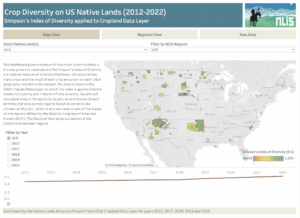
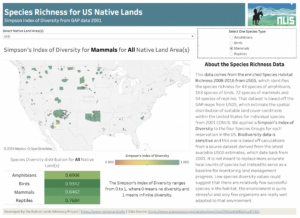
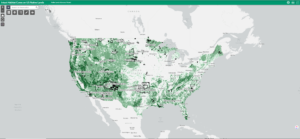
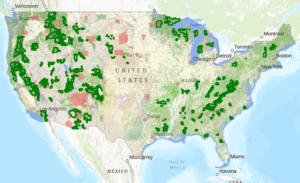
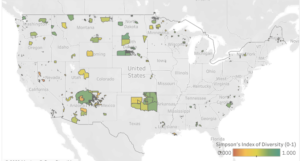
Our new Cropland Diversity data dashboard is the first index of Cropland Diversity ever calculated and published for US Native Lands. What findings does this dashboard reveal? And why does this data matter?

The Power of Asdzáán in Agriculture: Data Shows Native Female Majority Among Navajo Operators
Of the 73 reservations that participated in 2017 Census of Agriculture, only the Navajo Nation and the Umatilla Confederated Tribes reported a Native female majority among their agricultural operators.
Reservation Croplands: How Native Farmers and Ranchers Can Leverage the USDA’s Cropland Data Layer for Land Planning
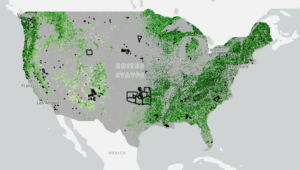
In 2022, there were about 110 million acres of cropland (5.7%) on Native American reservations (including on-reservation and off-reservation trust lands). What are these croplands and land covers? How have they changed over time? Why does this data matter?
Quantifying Disparities in Agricultural Revenue on Native Lands
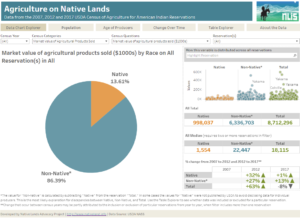
According to our Lost Agriculture Revenue Database, non-Native farmers have made $749,517,889,778 in agricultural revenue (85.7% of total revenue) on Native reservations since 1840, while Native farmers have made $125,018,539,082 (14.3% of total revenue). What factors contribute to this shocking disparity in agricultural revenue? And what do these numbers really represent for Native communities?

International Day of Biological Diversity: Data Tools for Indigenous Stewardship
Indigenous models of reciprocity and responsibility in land-caretaking offer an alternative to the extractive, exploitative, and commodified ways of relating with the land that are dominant in Western practice.
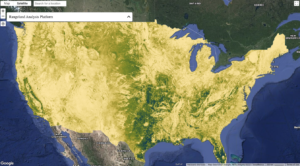
New Tool for Native Land Caretakers: The Rangeland Analysis Platform (RAP)
According to the NLIS’s National Land Cover Database dashboard, in 2019, there were approximately 26 million acres of rangeland within Native American reservations and off-reservation