Honoring David Bartecchi
Today and every day, we honor the memory of David Bartecchi: a beloved husband and father, an esteemed member of

Today and every day, we honor the memory of David Bartecchi: a beloved husband and father, an esteemed member of
By calculating land dispossession, this report seeks to not only identify what has been taken from Native peoples but also how this theft became the original source of capital that built Colorado and the West.
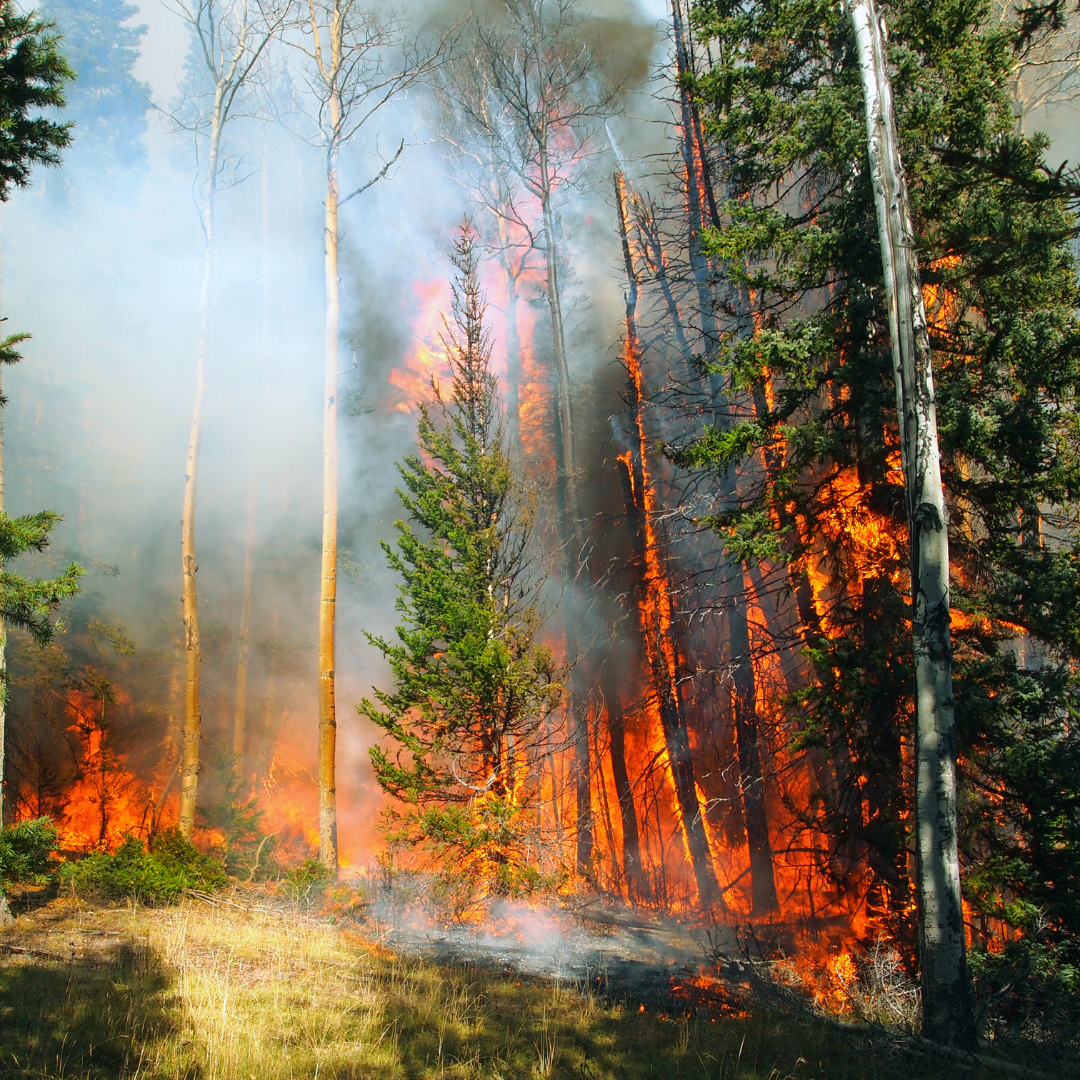
The Native Lands Advocacy Project is happy to announce our newest storymap: Good Fire: Mitigating Wildfire Risk & Healing Native Lands!
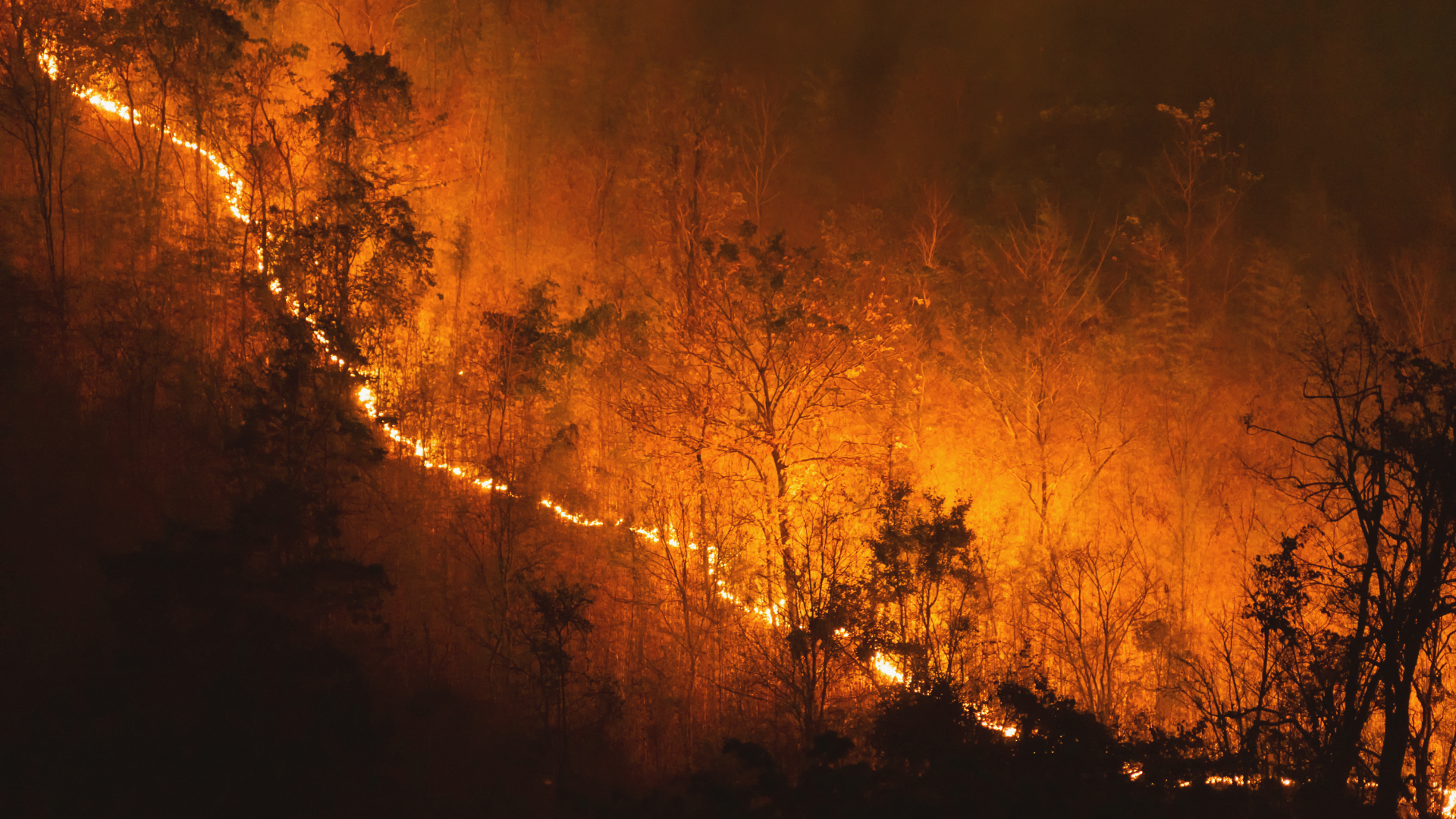
The Native Lands Advocacy Project (NLAP) is excited to highlight three data tools related to fire on U.S. Native lands.
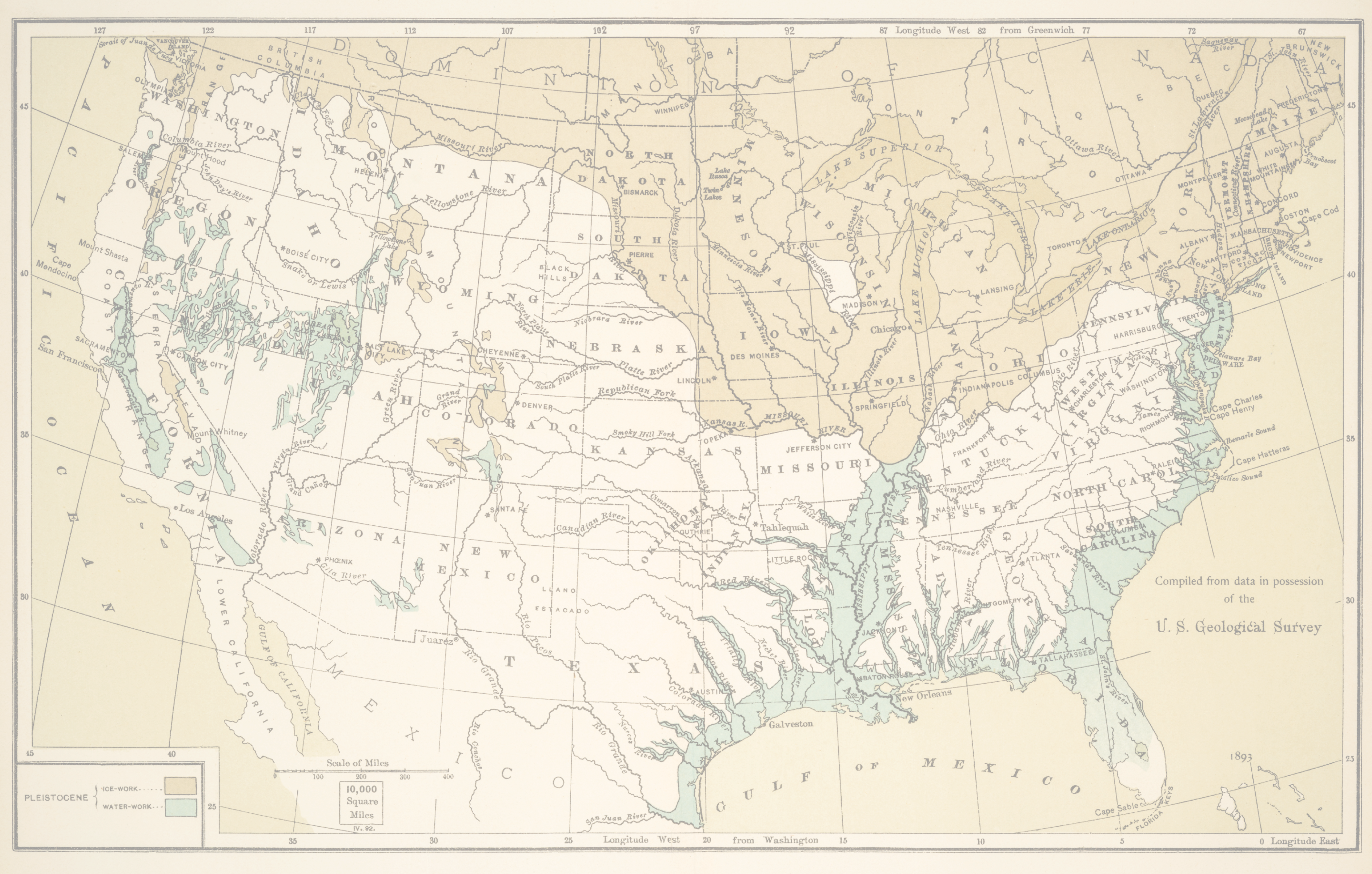
While much of settler colonialism’s harm to Native Nations is unquantifiable, assessments like this provide data that helps tell those Nation’s stories.
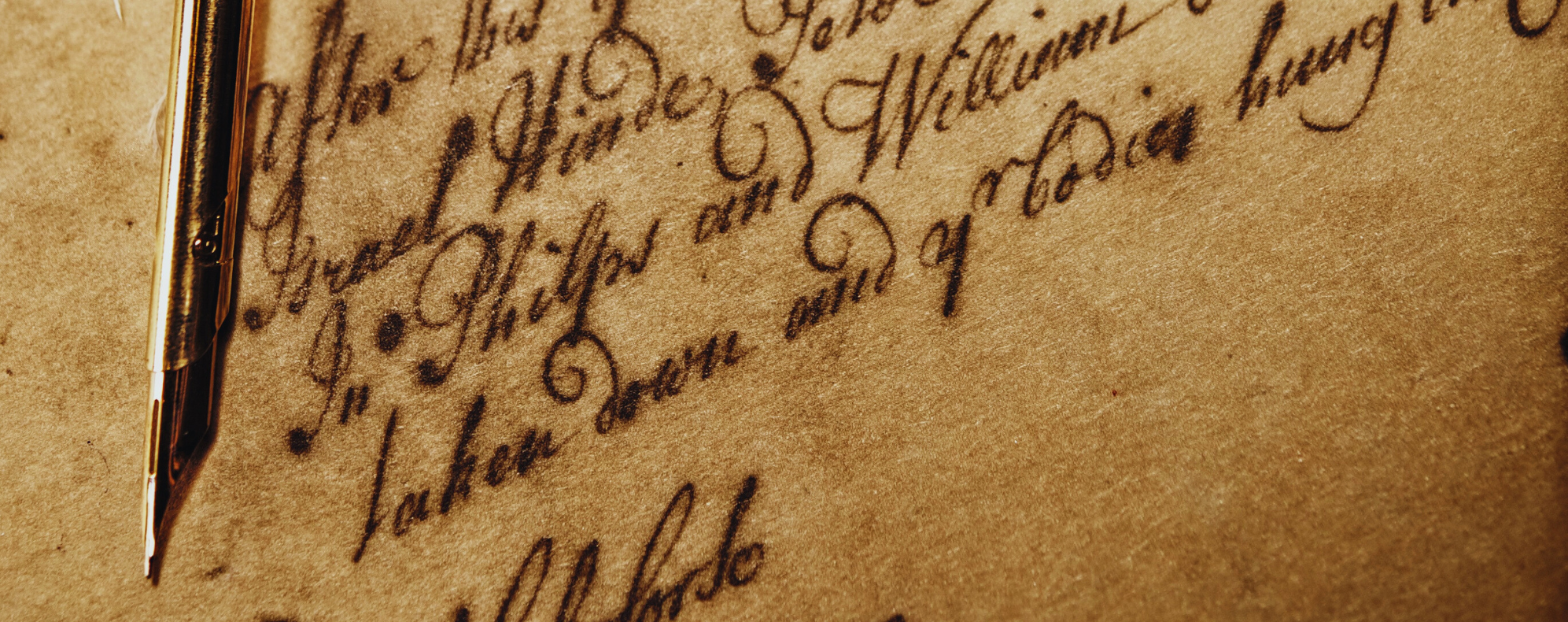
The Treaty Signers Project seeks to reshape the mythos surrounding the expansion of the United States into the North American west, as well as to challenge our understanding of who the key players were in creating that mythos.
Today’s observance should spark important conversations about Indigenous data sovereignty and violations of Native data protection in the U.S. This post highlights helpful learning resources published by Native-led organizations and Native scholars on best practices for Native data protection.
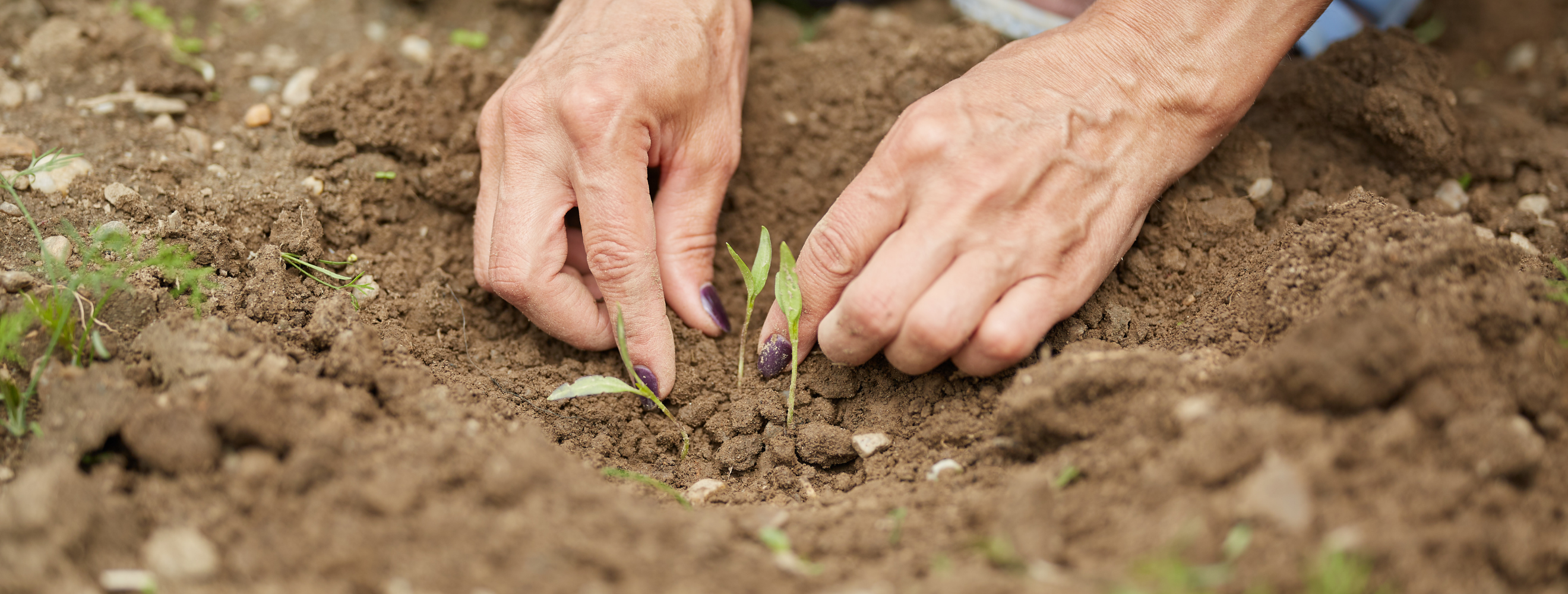
As tribes continue to experience the impacts of climate change on their lands and communities, they are starting to invest more of their resources and planning strategies into protecting and enhancing their soil organic carbon (SOC).
NLAP’s Good Food Access Indicator (GFAI) helps Native communities challenge those who look at Native food systems through a deficit lens by creating a new way to measure food access on the reservation.
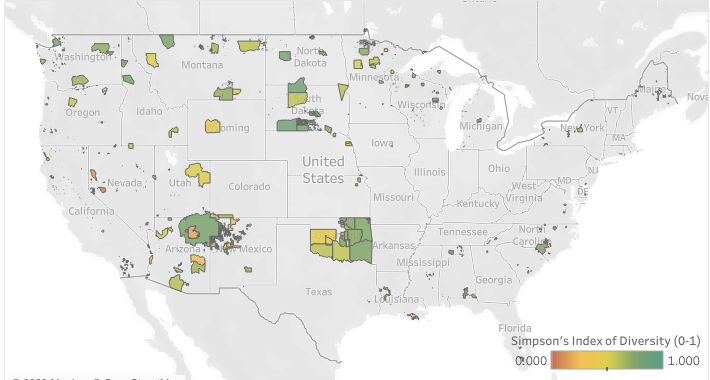
Our new Cropland Diversity data dashboard is the first index of Cropland Diversity ever calculated and published for US Native Lands. What findings does this dashboard reveal? And why does this data matter?

Of the 73 reservations that participated in 2017 Census of Agriculture, only the Navajo Nation and the Umatilla Confederated Tribes reported a Native female majority among their agricultural operators.
In 2022, there were about 110 million acres of cropland (5.7%) on Native American reservations (including on-reservation and off-reservation trust lands). What are these croplands and land covers? How have they changed over time? Why does this data matter?