Since 2019, the Native Lands Advocacy Project (NLAP), a project of the 501(c)(3) nonprofit Village Earth, has been honored to provide critical data and technical support to Indian Country. We’ve grown remarkably since those early days—in our capacity, number of resources, reach, and relationships—while always seeking to stay true to our grassroots, trust-based origins.
These last two years have been filled with both exciting opportunities and significant challenges for our team. Following the unexpected loss of our beloved Executive Director David Bartecchi in late 2023, NLAP’s future was uncertain, and it was only through the rallying of our community around us that we were able to chart our path forward. The past year introduced new challenges as federal funding cuts, policy changes, and data erasure reverberated throughout Indian Country, impacting not just us but many of our partners.
Despite these challenges, NLAP also experienced profound growth in the last two years. This growth can be measured by certain metrics, but we’ve always emphasized that this work is more than just numbers to us. Our team remains focused on building trusting, reciprocal relationships at every level of Indian Country, and we know that this is where our true strength lies, regardless of the challenges we all face.
Our recent Impact Report, published at the end of 2025, provides a brief overview of our work and milestones in the last two years. This post summarizes some of the key facts, while the full report can be viewed at the end. We hope this information helps you learn more about how NLAP can be of service to your tribal community and inspire you, if you haven’t already, to join our vibrant and growing ecosystem of relationships.
Growing the Native Land Information System
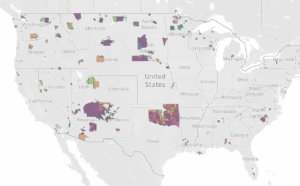
The Native Land Information System (NLIS) is the largest clearinghouse of open-access, geolocated information for sovereign tribal land planning in the U.S. The NLIS now hosts over 160 resources (maps, data dashboards, storymaps, and blog posts), including 69 resources that were added in 2024 and 2025 alone! We’re also honored that the NLIS is cited in 28 academic journals and a variety of other sources, indicating growing trust in our resources.
Launching the Climate Data Portal for U.S. Native Lands
Webinar Series: Keystone Data Tools for Native Land Planning
Some of the other new resources added to the NLIS in the last two years include our series of Water Quality Viewers, such as our Pesticides on Native Lands map, and our series of Federal Spending Dashboards, which seek to increase transparency and tribal access to data about the BIA Budget, Farm Service Agency Disbursements, and Federally Funded Projects in Indian Country.
NLAP’s Work With Communities in Indian Country in 2024 + 2025
NLAP does not work in a vacuum; rather, our work is highly relational. Some of the ways we prioritize relationship- and trust-building include:
- Hundreds of hours annually in free direct consultation with Tribal leaders, landowners, agriculture producers, scholars, organizations, and more.
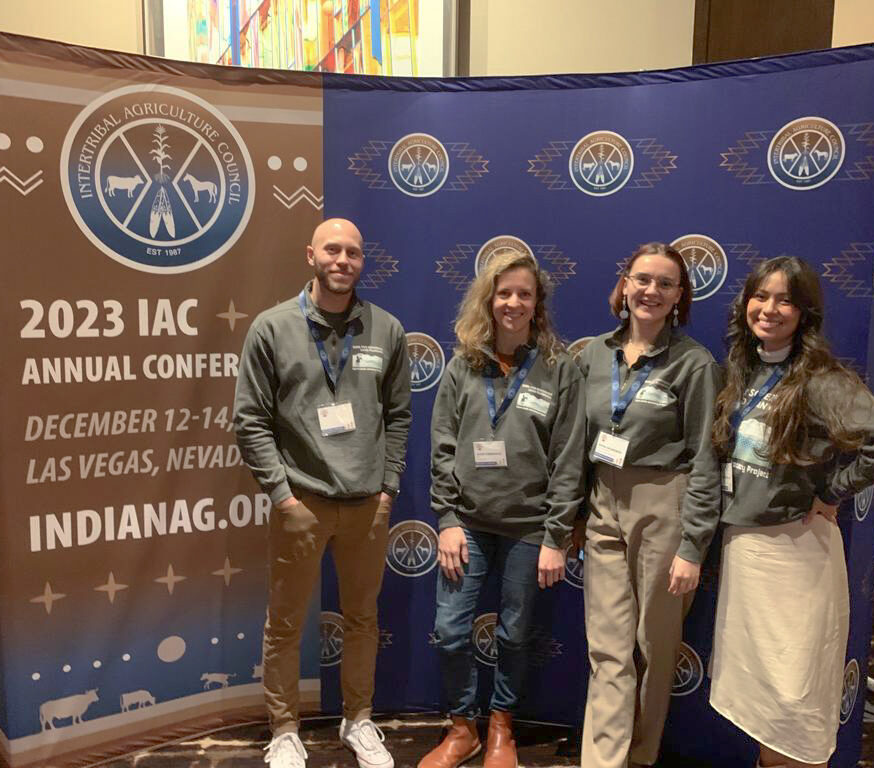
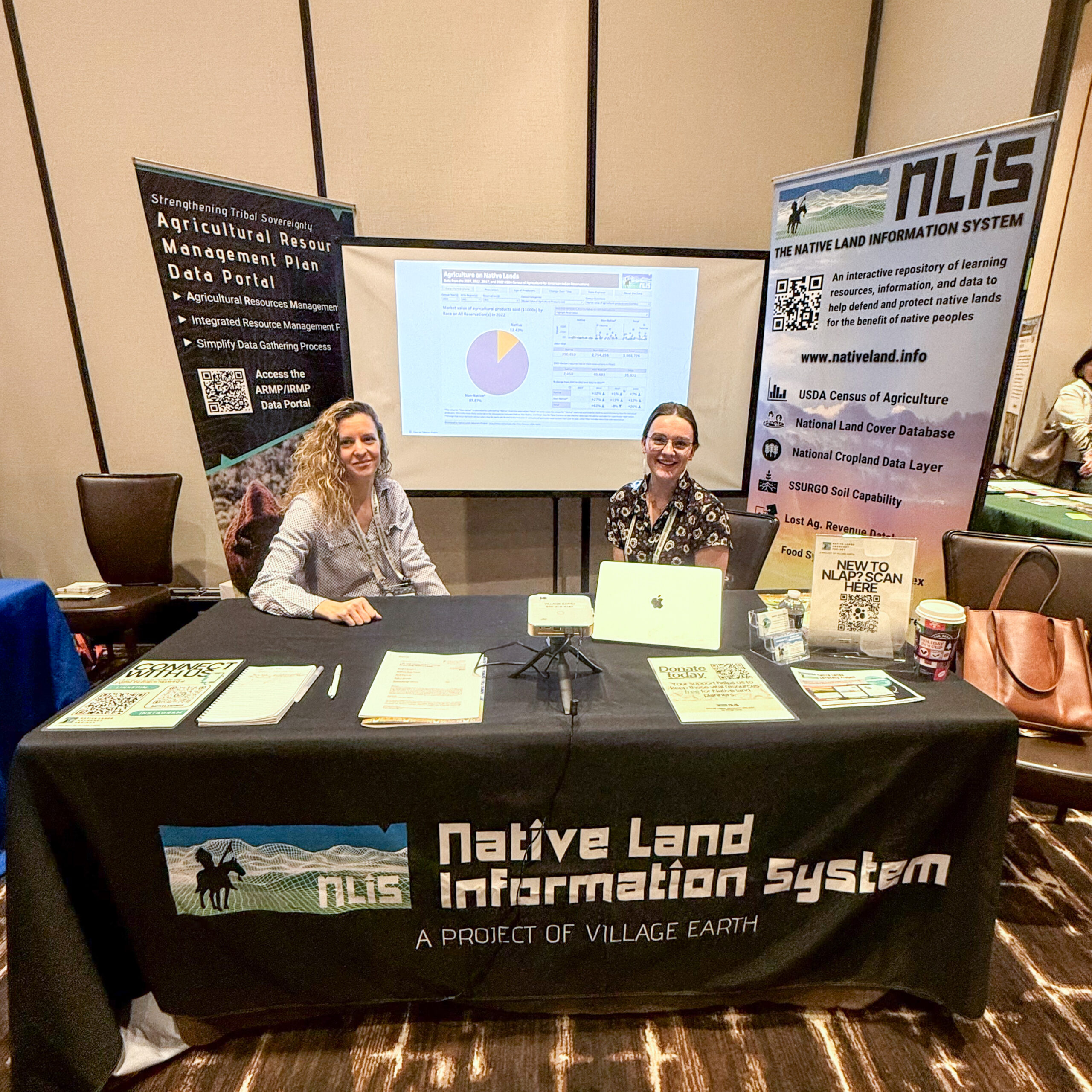
- In-person presence at conferences throughout Indian Country.
- Feedback and governance: We rely on close communications with trusted partners to guide our decision-making.
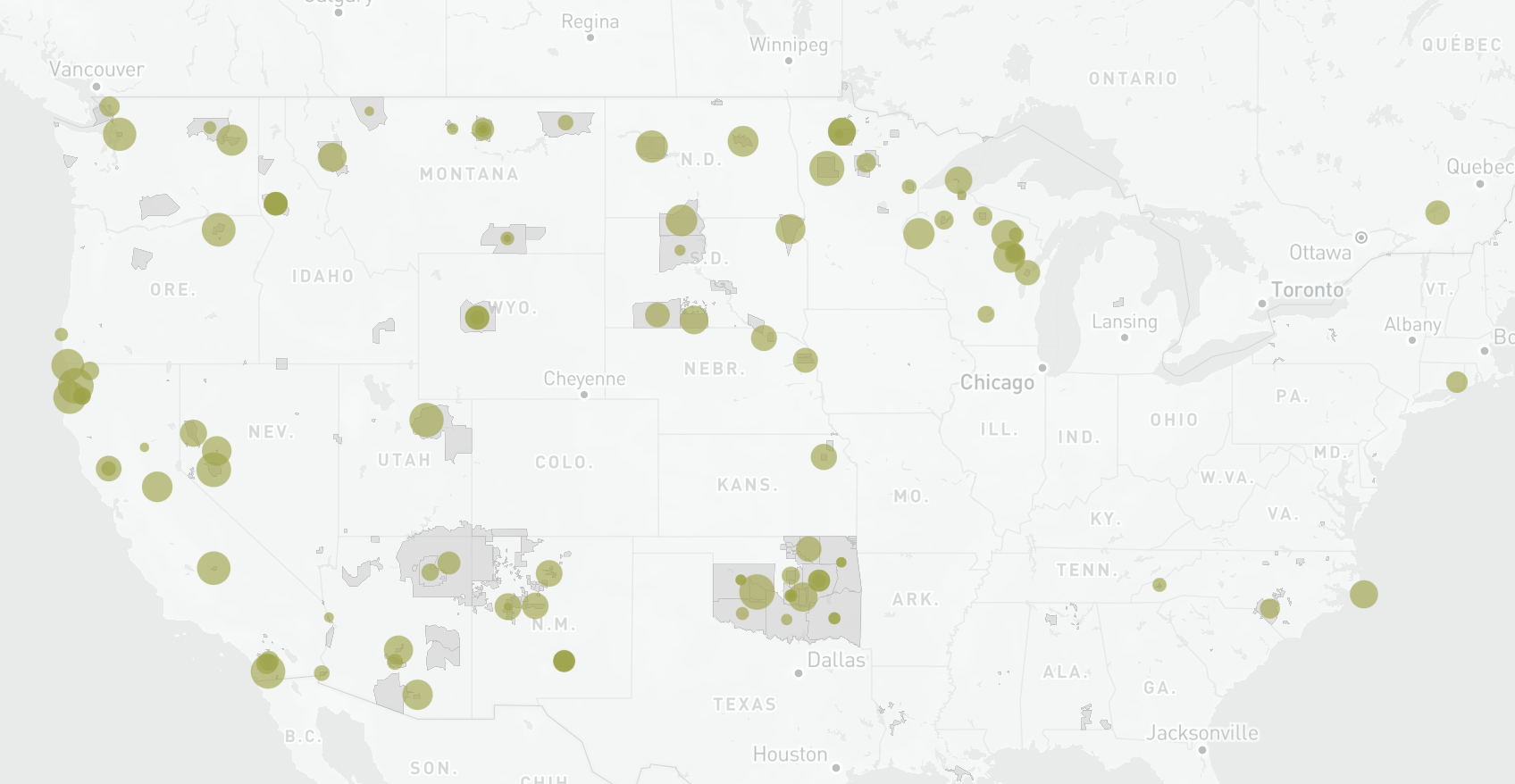
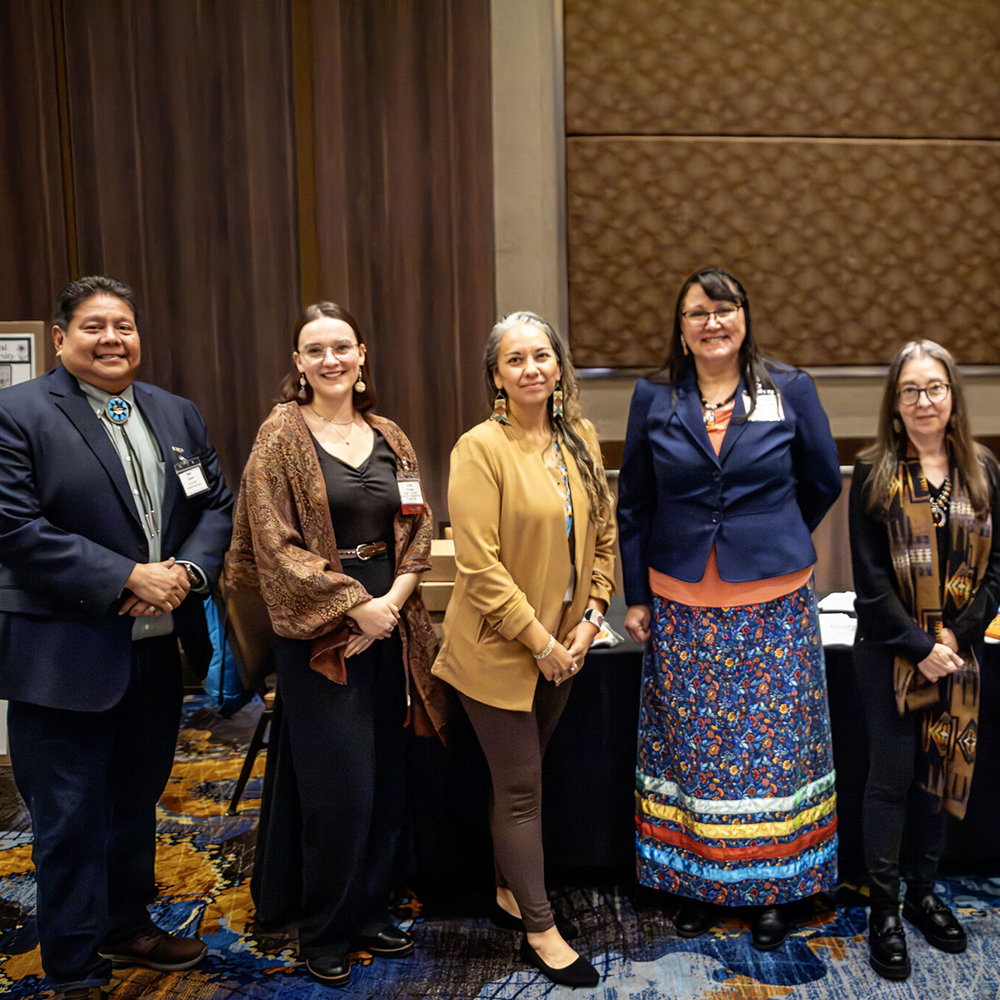
Some examples of our work with Tribal Nations in the last two years include:
- ARMP-IRMP Support: In tandem with our ARMP-IRMP Planning Portal, NLAP has offered personalized support to tribes as they initiate and navigate this complex planning process. Our ARMP-IRMP Coalition fills distinct gaps left by the BIA and reduces time and cost burdens for tribes.
- Tribal Departments: NLAP consults directly with Tribal departments, exploring their unique data needs to support their planning goals. Our data support has helped tribes facilitate listening sessions with their citizens, secure funding, assess feasibility of programs and policies, and more.
- Native Organizations: NLAP is always increasing our connections with, and our support of, Native-owned businesses and nonprofits. Our tools are used for many diverse purposes including pasture analyses. economic feasibility studies, land history documentation, food system assessments, etc.
- Coalition Building: The last year was challenging, but we believe that our strength comes from our relationships with one another. NLAP is involved in various coalitions related to data preservation, AI and Indigenous Data Sovereignty, federal policy impacts, and more.
Growing Towards the Future
NLAP is a small team, but we dream big. As we look to 2026 and beyond, we’re excited about the many initiatives and collaborations we’ll be part of, including developing parcel-level mapping for Native landowners, launching a nationwide allotment database, increasing direct Tribal consultations, collaborating with Tribal Colleges and Universities, supporting the publication of a centennial Meriam Report, and developing the capacity for automated data retrieval/reports from the NLIS.
Do these projects interest you? You can learn more about them, and about our 2024-25 impact, by viewing the full Impact Report here. We also invite you to contact us with any questions or interest in collaborating.
And finally, our work is not possible without your financial support. We can only continue to offer free technical assistance to Tribal Nations and their citizens through the generosity of supporters like you. Please consider becoming a monthly donor to help NLAP continue to grow!